-
Tel +886-4-2335-7689
-
Fax +886-4-2335-2855
-
Email sales@hcmedm.com.tw
EDM drilling, also known as Small Hole EDM, EDM hole drilling, or EDM drilling, is a precision machining process that uses controlled electrical discharges to create small and deep holes in electrically conductive materials.
Unlike conventional drilling, which removes material through direct mechanical cutting, EDM drilling uses electrical energy to generate controlled sparks between a tubular electrode and the workpiece. The intense heat generated by each electrical discharge locally melts and vaporizes a small amount of material, while the dielectric fluid flushes the debris away from the machining area.
Because EDM drilling does not rely on conventional cutting forces, it is particularly suitable for machining hardened steel, heat-treated materials, carbide, stainless steel, and other electrically conductive materials that can be difficult to machine using traditional drilling methods.
EDM drilling is widely used in mold manufacturing, wire EDM, precision machining, aerospace components, and other applications requiring small, deep, and accurate holes.
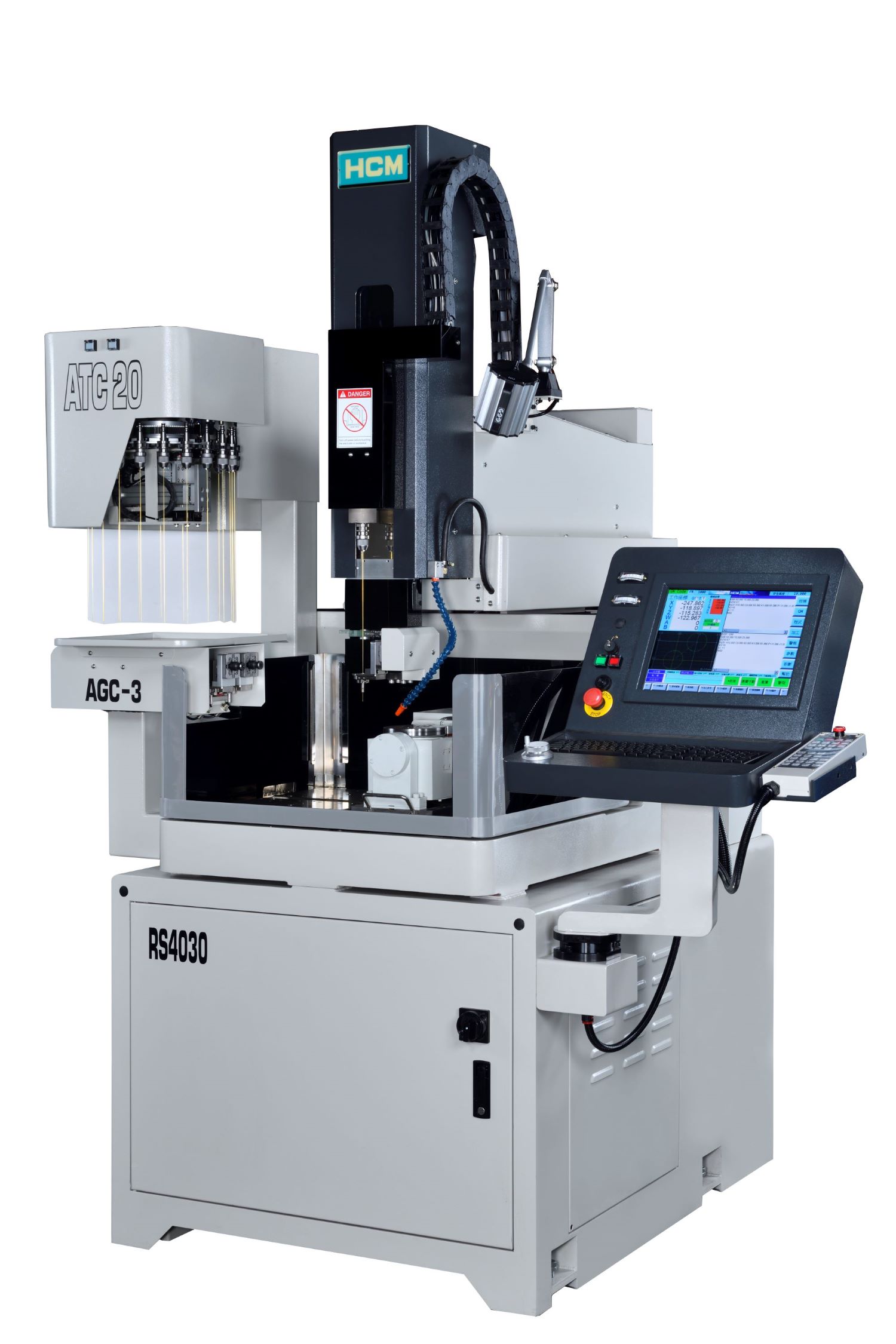
An EDM drilling machine, also called a Small Hole EDM machine, is a specialized EDM machine designed for machining small holes, deep holes, and precision holes in conductive materials.
During the machining process, a small tubular electrode approaches the workpiece while maintaining a controlled gap between the electrode and the workpiece. When the machining conditions reach the required electrical discharge level, controlled pulses are generated between the electrode and the workpiece.
Each electrical discharge removes a very small amount of material. As the electrode continuously feeds toward the workpiece, thousands of controlled discharges gradually erode the material and create the required hole.
Therefore, EDM drilling does not "drill" a hole through conventional mechanical cutting. Instead, it uses electrical discharge erosion, converting electrical energy into thermal energy to remove material.
This is one of the fundamental differences between EDM drilling and conventional drilling.
The EDM drilling process can be understood through several basic steps.
When the tubular electrode approaches the workpiece to the appropriate machining gap, the EDM power supply generates high-frequency electrical pulses.
Under the dielectric fluid environment, the electrical energy creates controlled discharges between the electrode and the workpiece. These discharges generate extremely high localized temperatures.
The heat generated by each electrical discharge locally melts and vaporizes a small amount of workpiece material.
As repeated electrical discharges continue, material is progressively removed from the workpiece and a hole is formed.
The CNC control system continuously controls the electrode feed according to the machining conditions.
Maintaining an appropriate machining gap between the electrode and the workpiece is important for stable EDM drilling performance.
The dielectric fluid also helps flush machining debris out of the hole, supporting stable electrical discharge conditions and improving machining efficiency.
The electrode continues feeding until the programmed machining depth is reached.
Depending on the machine configuration and machining requirements, EDM drilling can be used for small-diameter holes, deep holes, and precision starting holes.
Conventional drilling removes material through the rotation and cutting action of a drill bit.
When the workpiece has high hardness, the hole diameter is very small, or the hole is relatively deep, conventional drilling may encounter challenges such as tool wear, tool breakage, chip evacuation, and machining deformation.
EDM drilling uses electrical discharge erosion instead of direct mechanical cutting. As a result, the mechanical cutting force during machining is extremely low.
Both processes have their own advantages and application areas. The appropriate machining method should be selected according to the material, hole diameter, hole depth, required accuracy, production volume, and overall machining requirements.
As a general principle, materials with sufficient electrical conductivity can be evaluated for EDM drilling.
Common materials include:
Heat-treated tool steel and mold steel can have high hardness, making conventional drilling more challenging.
EDM drilling removes material through electrical discharge erosion rather than conventional cutting, making it a useful machining solution for hardened mold components.
Stainless steel is widely used in machinery, medical equipment, precision components, and industrial applications.
For small holes and special hole geometries, EDM drilling can be selected according to the material properties and machining requirements.
Cemented carbide is known for its high hardness and excellent wear resistance, making it challenging to machine using conventional cutting tools.
Because EDM drilling uses electrical discharge erosion, it can be used for precision hole machining in electrically conductive carbide materials.
Other electrically conductive materials, including copper, aluminum, titanium alloys, and various conductive metals, can also be evaluated for EDM drilling based on their electrical and machining characteristics.
EDM drilling is widely used in manufacturing, particularly for applications requiring small holes, deep holes, precision holes, or machining of hardened conductive materials.
One of the most common applications of a Small Hole EDM machine is creating starting holes for wire EDM.
Wire EDM generally requires a starting hole so that the wire electrode can pass through the workpiece before the wire cutting process begins.
When the workpiece has already been heat-treated or has high hardness, machining the starting hole using conventional drilling can become more difficult.
In these situations, an EDM drilling machine can create the starting hole before the workpiece is transferred to the wire EDM machine for subsequent cutting.
Mold components often require different types of holes, including:
For mold components that have already undergone heat treatment, Small Hole EDM can provide an effective alternative machining method.
Aerospace components often use high-strength and heat-resistant materials that can be difficult to machine using conventional cutting methods.
For example, cooling holes in turbine blades may require precision hole machining on difficult materials and complex surfaces.
EDM drilling can be applied to certain aerospace manufacturing processes because it removes material through electrical discharge rather than conventional mechanical cutting.
Applications may include turbine blade cooling holes and other precision holes in aerospace components, depending on the specific material and machining requirements.
Small holes are commonly required in precision machinery, electronics-related components, industrial equipment, and other manufacturing applications.
These holes may be used for cooling, ventilation, fluid flow, lubrication, electrical functions, or other specialized purposes.
When the hole diameter is small or the workpiece material is difficult to machine, EDM drilling can provide an alternative to conventional drilling.
Conventional drilling requires a cutting tool to physically contact the workpiece and remove material through mechanical cutting.
Therefore, tool material, workpiece hardness, cutting conditions, and chip evacuation can significantly affect the machining process.
EDM drilling works differently. It uses controlled electrical discharges to erode the workpiece material, allowing the machining process to be performed with extremely low mechanical cutting force.
For electrically conductive materials that have undergone heat treatment, have high hardness, or are difficult to machine using conventional cutting tools, EDM drilling can provide an alternative precision hole machining solution.
This is one of the main reasons why EDM drilling machines are widely used in mold manufacturing, precision machining, wire EDM preparation, and specialized industrial applications.
HCM specializes in EDM equipment and provides CNC EDM machines and Small Hole EDM machines for precision manufacturing applications.
HCM EDM drilling machines can be used for applications including small-hole machining, deep-hole machining, mold manufacturing, and wire EDM starting-hole machining.
With EDM technology, manufacturers can select an appropriate machining solution according to the workpiece material, hole diameter, hole depth, accuracy requirements, and production conditions.
For manufacturers looking for a Small Hole EDM Machine or EDM Drilling Machine, HCM provides EDM equipment solutions for a wide range of industrial and precision machining applications.
EDM drilling is an important non-traditional machining technology for producing small and deep holes in electrically conductive materials.
By using controlled electrical discharges instead of conventional mechanical cutting, EDM drilling can machine hardened materials and difficult-to-machine conductive materials while maintaining low mechanical cutting forces.
From wire EDM starting holes and precision molds to aerospace components and specialized precision parts, EDM drilling provides a flexible solution for manufacturers that require small, deep, and accurate holes.
When selecting an EDM drilling machine, manufacturers should consider factors such as minimum hole diameter, maximum machining depth, electrode size, machining speed, electrode consumption, automatic electrode feeding, flushing capability, CNC control, and overall machine configuration.
Choosing the right EDM drilling machine according to the actual machining requirements can improve process stability, productivity, and overall manufacturing efficiency.
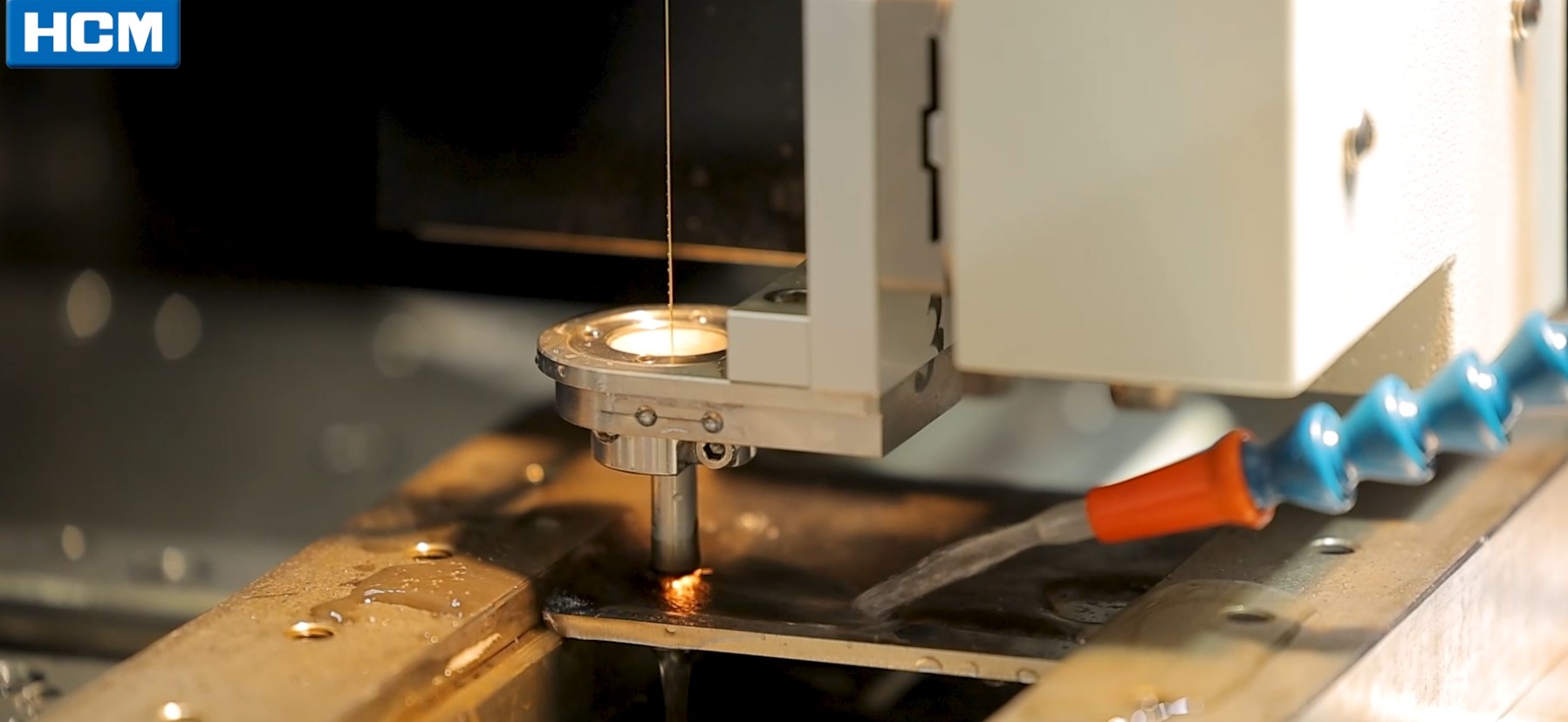
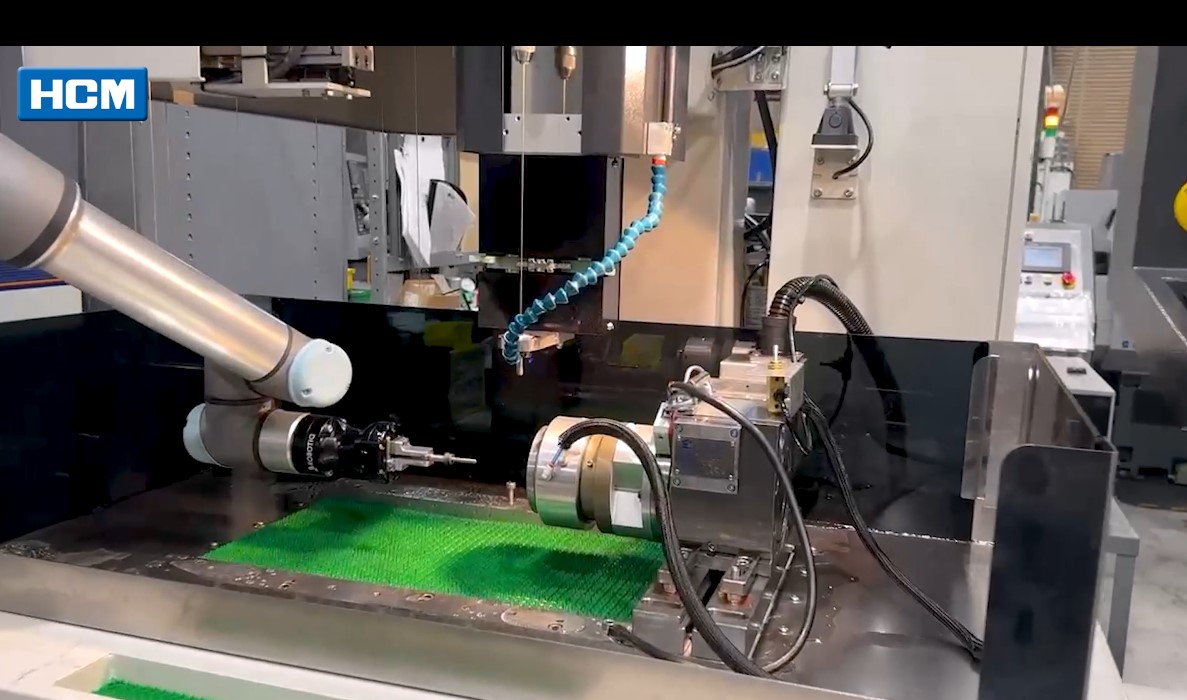
showing drilling EDM sinker EDM